
Fancy a quick chat about Flex?
Pop your details in below and we’ll give you a bell. No hard sell - just a friendly conversation to see if Ayup Flex is a good fit for your business.

Looking for flexible, no-contract support? Explore Ayup Flex – predictable monthly access to our expert services. Learn more →
What website maintenance actually involves, why it matters for small businesses, and how much ongoing care is realistic.
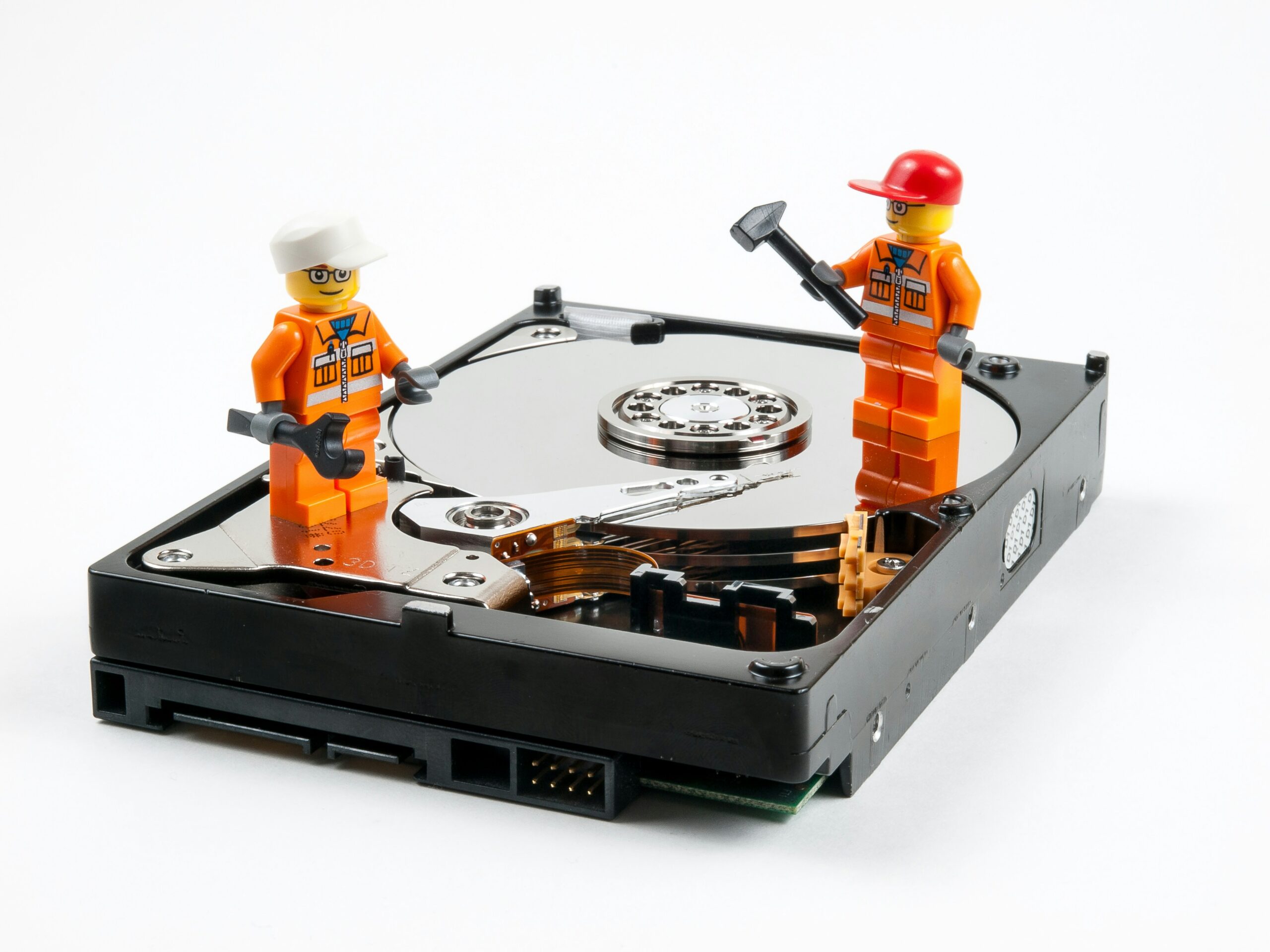
Many small businesses treat a website as a one-off job. It gets built, launched, and then largely ignored. In reality, modern websites, particularly WordPress sites, are made up of multiple components that need regular attention and ongoing website maintenance.
Website maintenance is the ongoing work that keeps a site secure, up to date, and running properly.
This usually includes applying updates to the core system, themes, and plugins, monitoring uptime and performance, fixing broken links or forms, and running regular backups that are tested and recoverable.
When it’s done properly, maintenance is mostly invisible. The site just works as expected.
Out-of-date software is one of the most common reasons websites get hacked or break. Known vulnerabilities in old plugins or themes are regularly exploited.
Regular maintenance reduces the risk of malware, spam injections, and data breaches. It also helps catch issues such as expired SSL certificates or hosting problems before they take the site offline.
If your website supports enquiries, bookings, or trust in your business, downtime and security issues are more than a minor inconvenience.
Maintenance affects more than security. It also plays a role in how users experience your site and how it performs in search engines.
Keeping things updated helps pages load consistently across devices. It allows you to fix broken links, outdated content, and technical issues that frustrate visitors. It also supports SEO by keeping the site aligned with current technical best practice.
Neglect often leads to slower pages, errors, and declining visibility, which directly reduces enquiries.
Most small business websites don’t need daily work, but they do benefit from a regular routine.
Monthly checks usually cover updates, backups, form testing, and performance reviews. Every few months it’s sensible to review key content, calls to action, and basic SEO to make sure the site still reflects the business. Once a year, it’s worth stepping back and assessing whether the design or functionality needs a larger refresh.
The more important the website is to sales or bookings, the more sense it makes to use a professional care plan rather than relying on ad-hoc DIY checks.
Most care plans bundle several services into a predictable monthly fee.
These commonly include monitored updates for the core system and plugins, regular off-site backups, security scanning, uptime monitoring, and a small allowance for minor content changes or fixes.
This is also where agencies can define clear response times and support boundaries, which helps avoid confusion later.
If your website plays any role in generating enquiries, sales, or credibility, ongoing maintenance is closer to a necessity than a luxury. You can either invest in small, regular care or risk larger, more expensive problems down the line.
Very simple sites may get by with minimal checks, but as soon as you rely on your website for enquiries, bookings, or payments, having someone responsible for its health is usually money well spent.